How to Choose the Best Trees for Your Illinois Yard
Choosing the right trees for your Illinois yard starts with understanding your soil, available space, and how much maintenance you're comfortable handling. Bur oak and hackberry are great choices for shade, while serviceberry and eastern redbud work well in smaller landscapes. The best choice is one that can handle Illinois weather and still fit your property years from now.
At Acre Plus Management, we provide professional tree planting, tree trimming, pruning, and lawn care services in Kildeer, IL, and surrounding communities. We help homeowners choose trees that complement their landscapes and have the right conditions to grow.
Here's what you should know before deciding which trees to plant.
Understanding Illinois Climate and Growing Conditions
Northern Illinois experiences freezing winters, hot summers, and occasional periods of heavy rain or drought. Your trees need to handle these seasonal changes without requiring constant attention.
Soil conditions also matter. Some properties around Kildeer have heavy clay soil that holds moisture longer than sandy or well-drained soil. Other yards have compacted ground from construction or years of foot traffic.
Before choosing a tree, pay attention to how much sunlight your yard receives and whether water collects after storms. A tree that thrives in a sunny, well-drained location might struggle in a shaded area where the soil stays wet.
What Are the Best Trees to Plant in Illinois?
Some of the best trees for northern Illinois include bur oak, swamp white oak, serviceberry, eastern redbud, river birch, and hackberry. Each offers different benefits depending on your yard's size, soil, and appearance.
Here's a quick comparison of popular options:
| Tree Type | Approx. Mature Length | Best For |
|---|---|---|
| Bur Oak | 60-80 feet | Large yards and shade |
| Swamp White Oak | 50-60 feet | Moist soils and spacious yards |
| Serviceberry | 10-30 feet | Small yards and seasonal color |
| Eastern Redbud | 15-30 feet | Flowering landscapes |
| River Burch | 40-70 feet | Moist locations with suitable soil |
| Hackberry | 40-60+ feet | Adaptable shade planting |
These are typical size ranges, and individual varieties may grow differently.
Bur oak is a particularly good choice when you have plenty of room and want a long-lasting shade tree. Serviceberry offers spring flowers, attractive fall colors, and berries that attract birds. River birch can work well in wetter locations, although its preference for acidic soil means it isn't suitable everywhere. Hackberry is another practical option because it tolerates a variety of growing conditions.
Choosing Trees Based on Your Yard Size and Available Space
One of the biggest mistakes homeowners make is choosing a tree based on how it looks at the nursery rather than how large it will eventually become. A young oak might look perfect beside your driveway, but its mature canopy could eventually spread over much of your front yard.
For smaller properties, consider serviceberry or eastern redbud. These trees provide seasonal interest without requiring the space of a large shade tree. If you have a spacious backyard, bur oak or swamp white oak may be better options.
Remember to check overhead power lines, underground utilities, nearby sidewalks, and the distance from your home's foundation. Planning for mature growth now can prevent expensive problems later.
Which Trees Grow Best in Illinois Clay Soil?
Bur oak, swamp white oak, and hackberry are good candidates for Illinois yards with clay-heavy soil. However, the best choice depends on whether the clay drains reasonably well or remains saturated after rainfall.
Clay soil can make tree planting challenging because water moves through it slowly. When roots sit in overly wet ground, they may struggle to get the oxygen they need.
For example, imagine a Kildeer homeowner whose backyard stays muddy for several days after heavy rain. Rather than automatically choosing a popular shade tree, a contractor should examine the drainage and determine whether a moisture-tolerant species, such as swamp white oak, would be appropriate.
That's why checking soil conditions before planting is so important. Even a hardy tree can struggle when placed in the wrong environment.
Low-Maintenance Trees for Illinois Homeowners
If you want beautiful trees without spending every weekend maintaining them, start with species suited to your property's natural growing conditions.
Hackberry is a practical shade tree that tolerates different soil conditions. Bur oak is another durable choice, although its large size and fallen acorns should be considered. Serviceberry is appealing for smaller yards, but its berries may create some cleanup around walkways or patios.
Remember that low-maintenance doesn't mean maintenance-free. Newly planted trees still need watering, and occasional pruning helps maintain healthy growth and structure. Choosing the right species from the beginning generally makes tree care easier as your landscape matures.
Shade Trees vs. Ornamental Trees: Which Is Right for Your Yard?
Shade trees are generally better when you want to cool a large outdoor area, while ornamental trees are ideal for adding flowers, color, and visual interest to smaller spaces.
Large trees like bur oak can eventually provide substantial shade over lawns and seating areas. However, that shade may also make growing thick grass underneath more challenging.
Ornamental trees like eastern redbud and serviceberry add character without dominating the landscape. Think about how you use your yard. If you want a shaded backyard gathering area, a larger tree might make sense. If you're improving your front entrance, a smaller flowering tree could be the better fit.
Maintaining attractive grass around either option is easier when you follow good lawn care tips for a thriving yard.
The Best Time for Tree Planting in Northern Illinois
Spring and fall are generally the best seasons for planting trees in northern Illinois because temperatures are milder and trees experience less heat stress.
Spring planting gives roots time to establish before summer. Fall can also work well, provided the species has enough time to begin establishing roots before the ground freezes. Some trees, including river birch, are better suited to spring planting in this region.
Planting during extreme summer heat can increase watering demands, while frozen or overly wet soil makes installation difficult. If you're unsure which season works best for your chosen species, Acre Plus Management offers professional tree planting services to help you plan the installation.
Caring for Newly Planted Trees and the Surrounding Lawn
Newly planted trees need consistent moisture while their roots become established. Water slowly around the root area, allowing moisture to soak into the soil rather than running across the surface.
Apply a layer of mulch around the tree to help retain moisture and reduce competition from grass. Keep the mulch away from the trunk to prevent moisture-related problems. Avoid piling soil or mulch around the base of the tree, and don't automatically add fertilizer unless testing shows it's necessary.
Your surrounding grass also needs attention. As trees grow, increasing shade and root competition can affect lawn health. Adjusting your watering and
lawn care routine can help keep both your trees and grass healthier.
FAQs
How far should you plant a tree from your house?
The proper distance depends on the tree's mature size, canopy spread, and root growth. Smaller ornamental trees may fit closer to a home, while large shade trees need considerably more room. Before planting, check the species' expected dimensions and consider foundations, sidewalks, utilities, and future maintenance access.
Can you plant a tree where another tree was removed?
Yes, you can plant a new tree where an old one was removed, but planting directly in the same spot may require additional preparation. Remaining roots, stump grinding debris, soil conditions, and the reason the original tree died should be considered. Planting nearby in suitable, undisturbed soil may be a better option.
How much watering does a newly planted tree need in Illinois?
Newly planted trees need regular watering until their roots become established. During the first few weeks, watering may be needed daily or every few days, depending on tree size, rainfall, and soil conditions. Clay soil holds water longer, so check moisture below the surface before watering again to avoid oversaturating the roots.
Get Expert Help Choosing the Right Trees for Your Illinois Yard
Choosing a tree simply because it looks attractive is tempting, but appearance shouldn't be your only consideration. Planting too close to buildings, ignoring mature width, or choosing a species that cannot tolerate your soil conditions can create problems years later.
Another common mistake is planting too deeply. The point where the trunk widens into the roots should remain near the soil surface rather than being buried. It's also worth considering future maintenance. Some trees drop fruit, seeds, or large amounts of leaves, while others require more attention to maintain their shape. A little planning before planting can save considerable work and expense later.
Choosing the right tree means balancing appearance, available space, soil conditions, and long-term care. When those factors work together, your landscape has a better chance of staying healthy and attractive for years. If you're planning to add trees to your property in Kildeer or the surrounding area, contact Acre Plus Management at (224) 558-3217. We'd be happy to help you explore options that make sense for your yard.
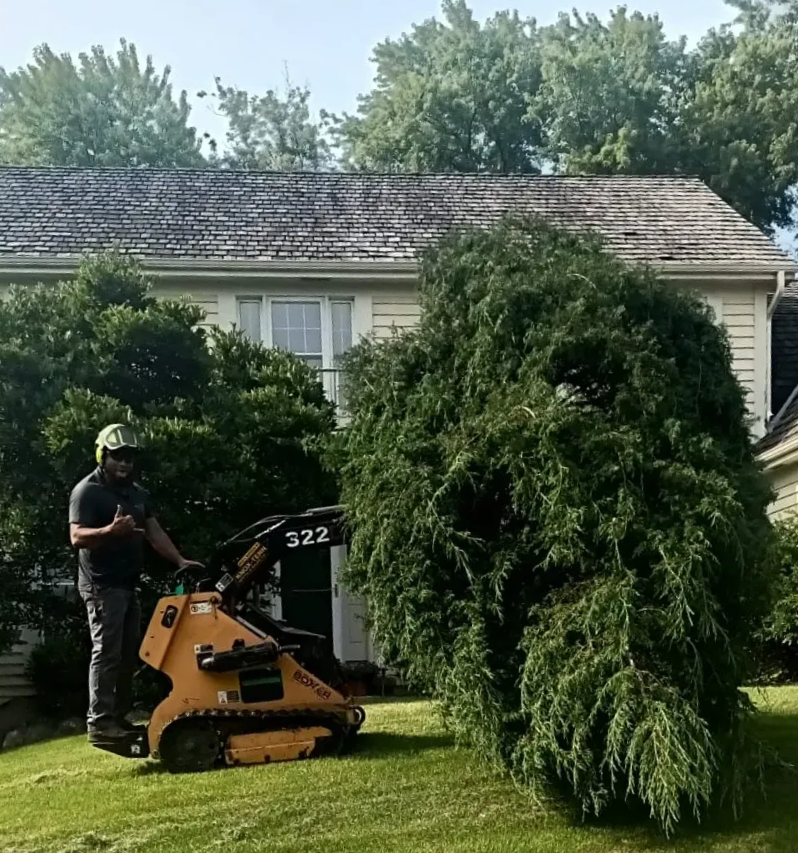
Expert Contribution by Miguel Morales,
Owner of Acre Plus Management
Miguel Morales is a second-generation landscaper and the owner of Acre Plus Management, serving homeowners and property managers in Kildeer, IL, and surrounding areas since 2009. With hands-on experience in tree trimming, tree removal, tree planting, lawn care, and landscape management, Miguel combines the skills passed down from his father with continued education in landscaping and arboriculture to provide practical, knowledgeable insights.